

Master Sci-Fi Storytelling Techniques

Updated: Nov 26, 2025
Science fiction is a playground for the imagination. It’s where we explore the unknown, challenge reality, and dream beyond the stars. But crafting a compelling sci-fi story? That’s an art and a science all on its own. I’m here to share the best sci-fi storytelling tips that will help you create narratives that captivate, inspire, and stick with your audience long after the credits roll. Ready to dive in? Let’s go!
Why Sci-Fi Storytelling Tips Matter
Sci-fi isn’t just about futuristic gadgets or alien worlds. It’s about ideas—big, bold, mind-bending ideas that make us question who we are and where we’re headed. But here’s the catch: without strong storytelling, even the coolest concepts can fall flat. That’s why mastering storytelling techniques is crucial.
Think about your favorite sci-fi series. What keeps you hooked? Is it the complex characters, the immersive world-building, or the thought-provoking themes? It’s all of that and more. When you combine these elements skillfully, you create a story that’s not just entertaining but unforgettable.
Here’s the secret: great sci-fi storytelling balances imagination with emotional depth. It’s not just about what’s possible—it’s about what feels real.
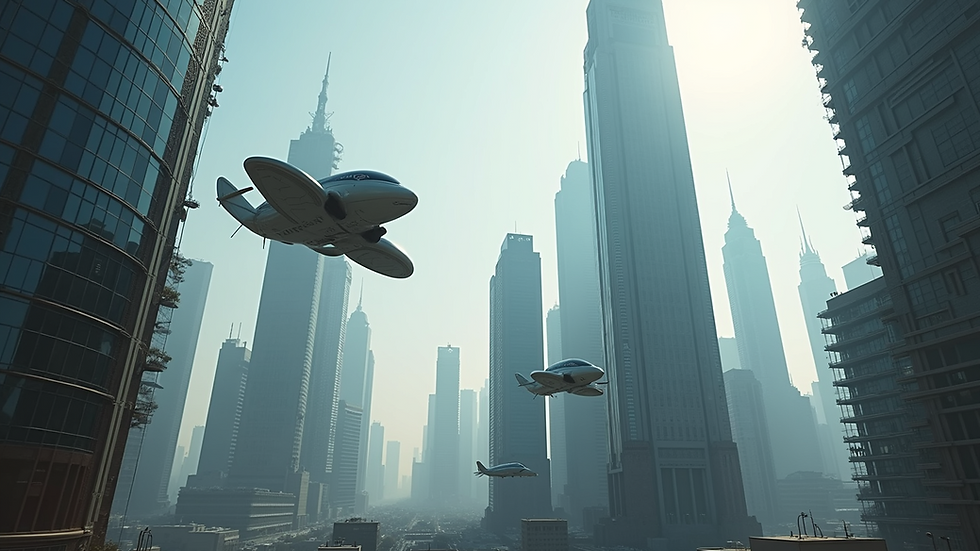
Essential Sci-Fi Storytelling Tips to Elevate Your Narrative
Let’s break down some practical tips that will transform your sci-fi story from good to great. These are techniques I use and recommend to anyone serious about sci-fi storytelling.
1. Start with a Strong Concept
Every sci-fi story begins with a "what if?" question. What if humans could upload their consciousness? What if time travel was possible but dangerous? Your concept should be fresh, intriguing, and rich with potential for conflict and discovery.
Be original but relatable. Even the wildest ideas need a human core.
Ask questions. What problems does this technology or world create? How do characters react?
Avoid clichés. Steer clear of overused tropes unless you can twist them in a new way.
2. Build a Believable World
World-building is the backbone of sci-fi. Your setting isn’t just a backdrop; it’s a character in itself. Whether it’s a distant planet, a dystopian Earth, or a parallel universe, your world must feel lived-in and consistent.
Define the rules. What governs technology, society, and physics here?
Show, don’t tell. Reveal your world through character actions and dialogue.
Use sensory details. What does this world look, sound, and smell like?
3. Create Complex Characters
Sci-fi fans crave characters they can root for, relate to, or even love to hate. Your characters should have clear motivations, flaws, and growth arcs.
Make them human. Even if they’re aliens or robots, their emotions and struggles should resonate.
Give them stakes. What do they stand to lose or gain?
Avoid stereotypes. Develop unique personalities and backgrounds.
4. Weave in Themes That Matter
Great sci-fi explores big ideas—identity, freedom, ethics, survival. Your story should have a thematic core that adds depth and invites reflection.
Choose themes that resonate with you. Passion shows in your writing.
Integrate themes naturally. Don’t preach; let themes emerge through plot and character choices.
Challenge your audience. Make them think, question, and feel.
5. Pace Your Story for Maximum Impact
Sci-fi can get complex fast. Keep your audience engaged by balancing action, exposition, and character moments.
Start with a hook. Grab attention early with a compelling event or mystery.
Use tension and release. Build suspense, then give your audience a breather.
Avoid info dumps. Spread out world-building details organically.

How to Use Sci-Fi Storytelling Tips in Your Projects
Now that you know the essentials, how do you apply these tips effectively? Here’s a step-by-step approach to integrating these techniques into your writing or filmmaking process.
Step 1: Brainstorm and Research
Start with your core idea. Write down your "what if?" question and explore it from every angle. Research scientific theories, technological trends, and philosophical questions related to your concept. This groundwork will add authenticity and depth.
Step 2: Outline Your Story
Create a roadmap for your narrative. Outline key plot points, character arcs, and world-building elements. This helps you maintain focus and ensures your story flows logically.
Step 3: Develop Characters Deeply
Write character bios that include their history, desires, fears, and quirks. Think about how the sci-fi setting affects their worldview and decisions.
Step 4: Write with Visual and Emotional Detail
Whether you’re scripting a scene or writing prose, use vivid descriptions and emotional beats. Show how your characters interact with the sci-fi world and each other.
Step 5: Revise and Get Feedback
Sci-fi storytelling is complex, so revision is key. Share your work with trusted peers or mentors who understand the genre. Use their feedback to refine pacing, clarity, and emotional impact.
Why Independent Sci-Fi Web Series Are a Goldmine for Storytelling Inspiration
If you want to see these storytelling tips in action, check out the vibrant world of independent sci-fi web series. These projects often push creative boundaries and explore unique narratives that mainstream productions might shy away from.
One fantastic resource is the Passport Chronicles, a platform dedicated to showcasing independent sci-fi web series. They offer a treasure trove of innovative storytelling, fresh voices, and bold ideas. Watching and analyzing these series can spark your creativity and show you how to apply storytelling techniques in real-world projects.
Independent creators often experiment with narrative structure, character development, and world-building in ways that can inspire your own work. Plus, supporting these projects helps build a community passionate about sci-fi storytelling.
Crafting Sci-Fi Stories That Resonate and Endure
At the heart of every memorable sci-fi story is a connection—between the story and the audience, between characters and their worlds, and between ideas and emotions. When you master the art of sci-fi storytelling, you create more than just entertainment. You create experiences that challenge, inspire, and stay with people.
Remember, sci-fi is a genre of possibilities. Use these storytelling tips to unlock your imagination and bring your visions to life. Whether you’re writing a novel, scripting a film, or developing a web series, the power to captivate lies in your hands.
So, what are you waiting for? Grab your pen, your camera, or your keyboard and start crafting the next great sci-fi adventure. The universe is vast, and your story deserves to be part of it!

Ready to explore more? Dive into the world of independent sci-fi storytelling and discover how creators are redefining the genre every day. Your journey to mastering sci-fi storytelling starts now!

Comments